
If you've been told you need a root canal in Chattanooga, you're probably wondering: "Is this going to hurt?" The short answer is no—modern root canal therapy is virtually painless, often no more uncomfortable than getting a standard filling. At Harrison Family Dentistry, we use advanced techniques and effective anesthesia to ensure your root canal experience is as comfortable and stress-free as possible.
Root canals have an unfair reputation as painful procedures, but this outdated perception comes from dentistry decades ago. Today's root canal therapy saves infected teeth, eliminates pain, and gets you back to normal quickly—usually within a day or two.
The Truth About Root Canals: A root canal doesn't cause pain—it relieves it. The infection causes pain; the root canal eliminates the infection and the pain along with it.
Signs You Need a Root Canal
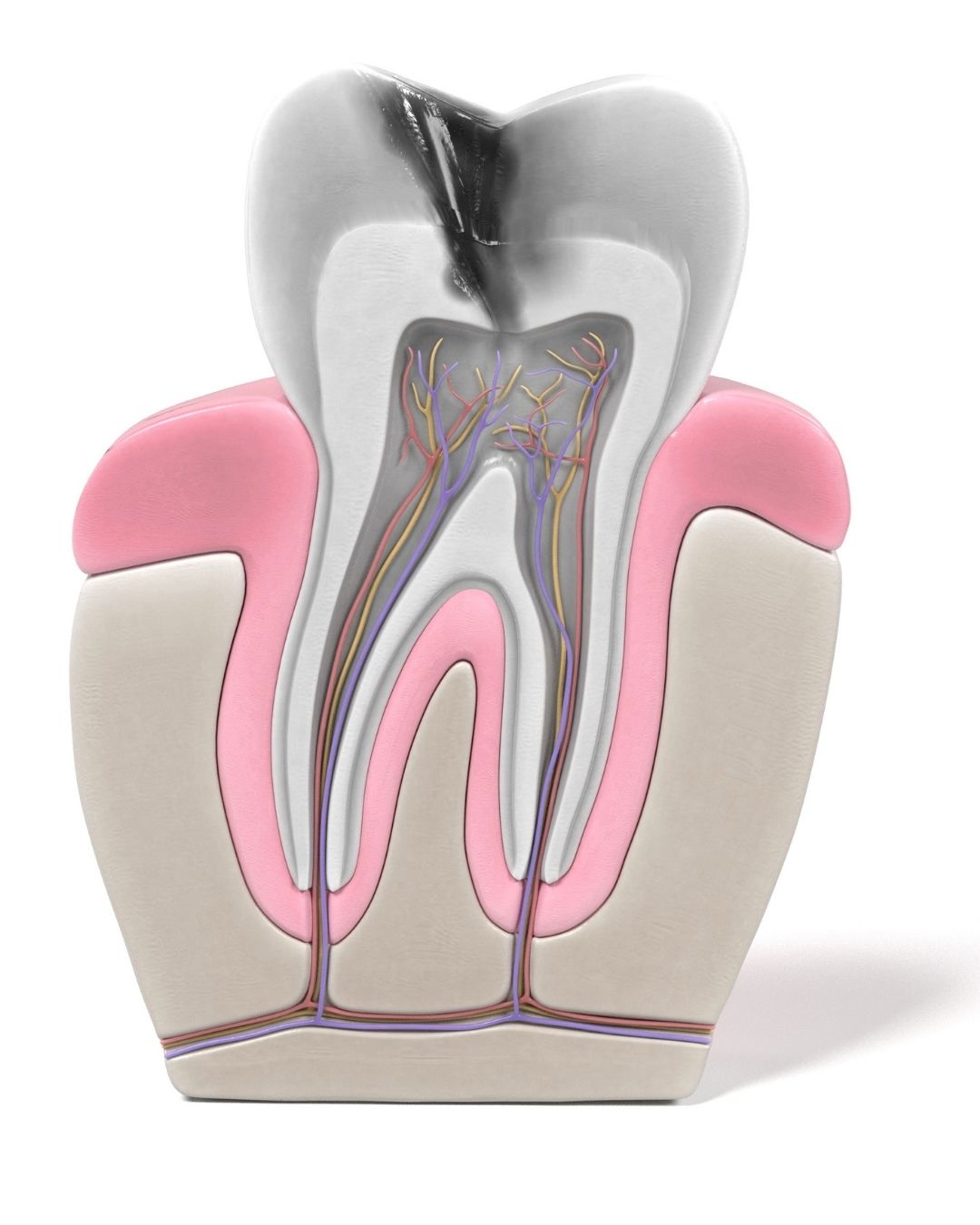
Your tooth's pulp—the soft tissue inside containing nerves, blood vessels, and connective tissue—can become infected or inflamed for several reasons: deep decay, repeated dental procedures on the tooth, a crack or chip in the tooth, or trauma to the tooth (even if there's no visible damage).
When the pulp becomes infected, bacteria multiply inside the tooth, causing an abscess (a pus-filled pocket) at the root tip. Without treatment, this infection can spread to surrounding bone and tissue, causing severe pain and potentially serious health complications.
Common warning signs you might need a root canal:
- Severe tooth pain that worsens when you bite down or apply pressure to the tooth
- Prolonged sensitivity to hot or cold temperatures that lingers even after the stimulus is removed
- Darkening or discoloration of the tooth
- Swollen, tender gums near the affected tooth
- A persistent pimple-like bump on the gums (a fistula draining infection)
- Swelling or tenderness in nearby lymph nodes or facial areas
Sometimes, however, an infected tooth causes no symptoms at all. This is why regular dental check-ups and X-rays are essential—they can detect problems before you experience pain.
What Is Root Canal Therapy?
Root canal therapy (also called endodontic treatment) is a procedure to treat infection or inflammation in the tooth's pulp. The goal is to save your natural tooth rather than extracting it—and preserving your natural tooth is almost always the best option.
Why Saving Your Natural Tooth Matters
Your natural teeth are superior to any artificial replacement. A natural tooth:
- Functions like a normal tooth for biting and chewing
- Maintains natural appearance and facial structure
- Protects adjacent teeth from excessive wear or movement
- Preserves jawbone density (unlike extraction)
- Avoids the need for bridges or implants
Root canal therapy has a very high success rate—over 95% of treated teeth can last a lifetime with proper care.
The Root Canal Process at Harrison Family Dentistry
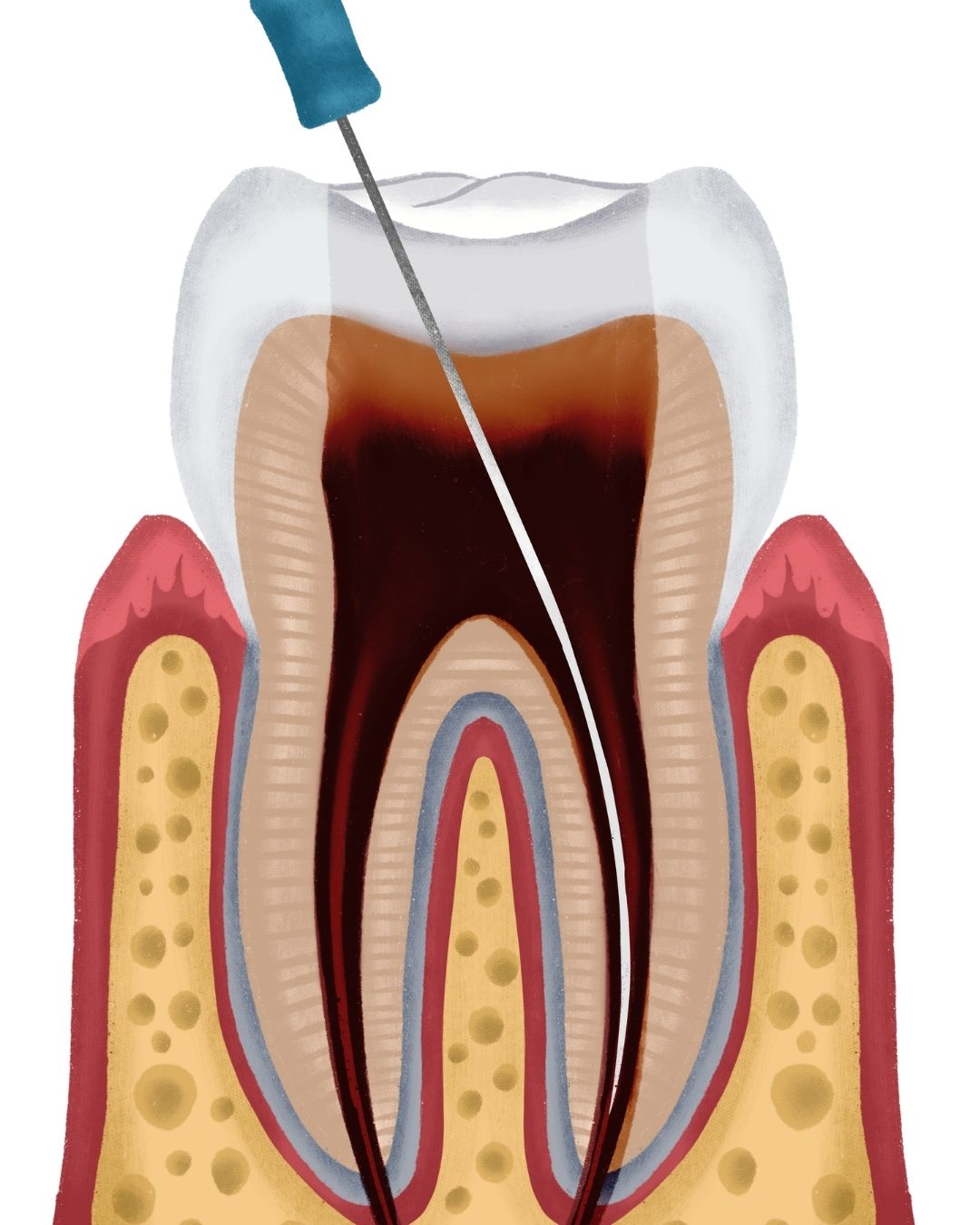
Our systematic approach ensures comfortable treatment and optimal outcomes. Most root canals are completed in a single appointment lasting 60-90 minutes, though complex cases may require a second visit.
Step 1: Examination and X-rays
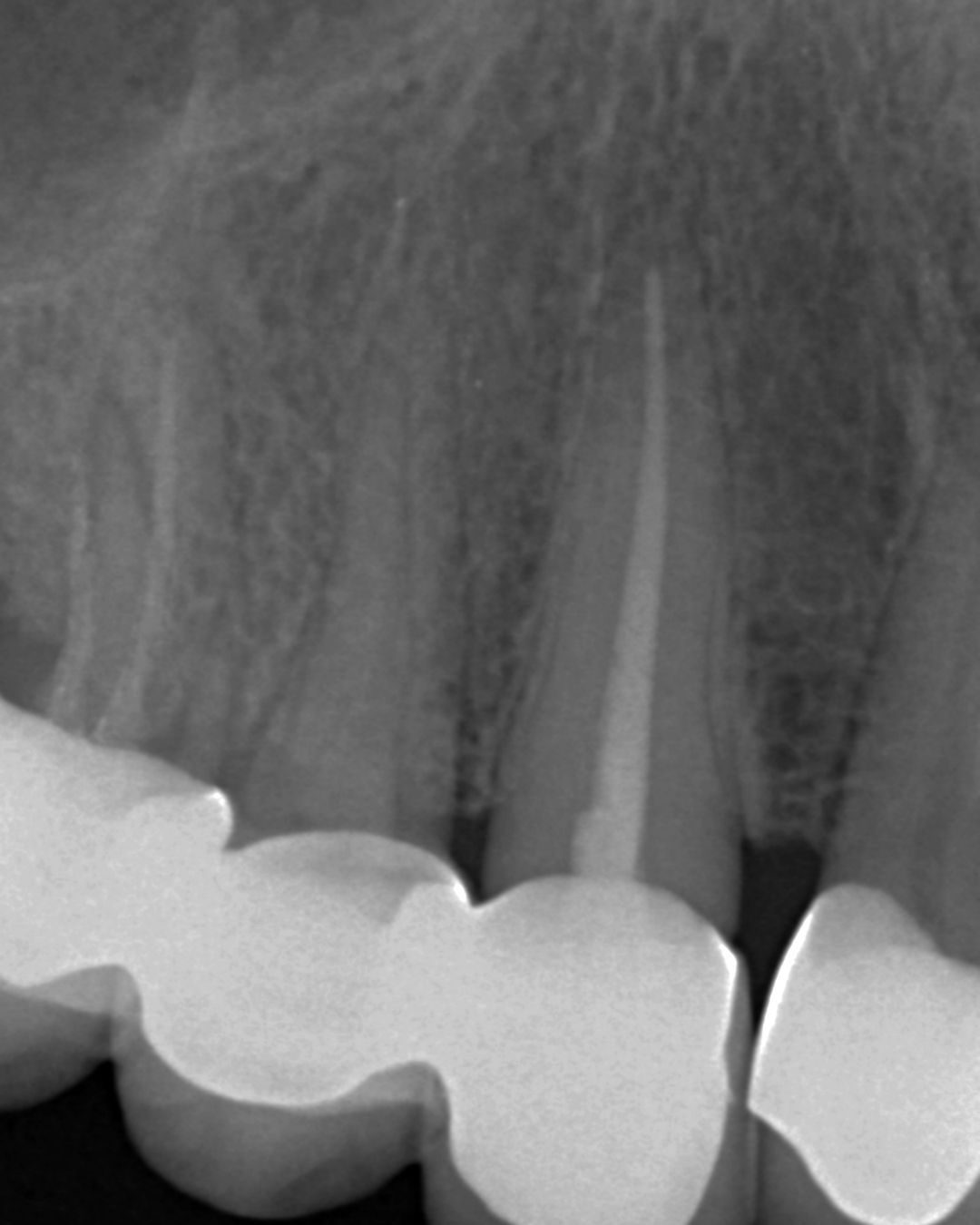
We begin with a thorough examination and take X-rays to see the shape of the root canals and determine the extent of infection or damage. These images help us create a precise treatment plan.
Step 2: Anesthesia and Comfort
We administer local anesthesia to numb the tooth and surrounding area. You won't feel pain during the procedure. For anxious patients, we offer sedation options including nitrous oxide (laughing gas) or oral sedation to help you relax completely.
Step 3: Isolation and Access
We place a small protective sheet called a rubber dam around the tooth to keep it clean, dry, and isolated during the procedure. Then we create a small access opening in the top of the tooth to reach the pulp chamber.
Step 4: Cleaning and Shaping
Using specialized instruments, we carefully remove the infected or inflamed pulp tissue from inside the tooth and its root canals. We then clean, disinfect, and shape the canal spaces in preparation for filling. This step eliminates bacteria and prevents future infection.
Step 5: Filling the Canals
The cleaned and shaped canals are filled with a biocompatible material called gutta-percha, along with adhesive cement to seal the canals completely. This prevents bacteria from re-entering the space.
Step 6: Temporary or Permanent Restoration
We close the access opening with either a temporary filling (if a second appointment is needed) or begin the permanent restoration process. Most root canal-treated teeth require a crown to protect and strengthen the remaining tooth structure.
Does a Root Canal Hurt?
Let's address the biggest concern head-on: modern root canal therapy is not painful. With proper anesthesia, you should feel little to no discomfort during the procedure—many patients report it feels similar to getting a regular filling.
Pain Relief, Not Pain Creation
Here's what many people don't realize: if your tooth is causing pain before your root canal, the procedure eliminates that pain by removing the infected tissue that's causing it. Most patients experience immediate relief after treatment.
What to Expect During Treatment
- Local anesthesia ensures you feel no pain during the procedure
- You may feel pressure or movement, but not pain
- Sedation options available for nervous patients
- Most patients are comfortable enough to relax during treatment
After Your Root Canal
Some mild soreness or sensitivity in the treated tooth for a few days after your root canal is normal—this is your body's natural healing response, not pain from the procedure itself. Any discomfort is typically mild and easily managed with over-the-counter pain medication like ibuprofen.
Recovery and Aftercare
Recovery from root canal therapy is typically quick and straightforward. Most patients return to normal activities the next day.
First 24-48 Hours
What to expect:
- Mild to moderate sensitivity or soreness in the treated tooth
- Slight swelling in the gums near the treated tooth
- Sensitivity when biting on the tooth
How to manage discomfort:
- Take over-the-counter pain medication as directed (ibuprofen works well)
- Avoid chewing on the treated tooth until permanent restoration is complete
- Eat soft foods for the first day
- Continue brushing and flossing normally
Follow-Up Care
If you received a temporary filling, we'll schedule a follow-up appointment to place the permanent restoration (usually a crown). This typically happens 2-4 weeks after your root canal to allow the tooth to heal and ensure the infection is completely resolved.
The crown protects the treated tooth from fracture and restores full function. Most root canal-treated teeth with proper crowns last a lifetime.
Root Canal vs Tooth Extraction: Why Save the Tooth?
When faced with an infected tooth, you might wonder: "Why not just pull it out?" While extraction might seem simpler, saving your natural tooth through root canal therapy is almost always the better choice.
Advantages of Root Canal Therapy
- Preserves natural tooth function – Normal chewing, biting, and appearance
- Maintains jawbone density – Prevents bone loss that occurs after extraction
- Protects adjacent teeth – Prevents shifting and excessive wear
- More cost-effective long-term – Avoids need for implant or bridge
- Retains natural sensation – Better feedback when chewing
Consequences of Tooth Extraction
Extracting a tooth creates problems that require additional treatment:
- Adjacent teeth can shift into the gap, causing bite problems
- Jawbone deteriorates in the extraction area without a tooth root
- Chewing efficiency decreases
- Facial appearance can change as bone is lost
- Replacement options (implants, bridges) cost more and take longer
The American Association of Endodontists emphasizes that nothing is as good as your natural tooth. Root canal therapy gives you the best chance of keeping your tooth for life.
Root Canal Cost in Chattanooga
The cost of root canal therapy varies depending on which tooth requires treatment and the complexity of the case:
Average root canal costs in Chattanooga:
- Front tooth (anterior): $800-$1,200
- Premolar (bicuspid): $900-$1,300
- Molar (back tooth): $1,200-$1,800
These costs typically include the root canal procedure itself. The crown restoration (usually required after treatment) costs an additional $1,000-$1,500.
Insurance Coverage
Most dental insurance plans cover 50-80% of root canal therapy costs, as it's considered a necessary restorative procedure. We verify your benefits before treatment and provide a detailed cost estimate so you know exactly what to expect.
Payment Options
We offer flexible payment solutions to make root canal therapy affordable:
- Dental insurance: We work with most major insurance providers
- Financing: Cherry Financing offers interest-free payment plans
- Payment plans: We can arrange flexible payment options
Root canal therapy costs significantly less than tooth extraction followed by implant placement (which typically costs $3,000-$5,000 total), making it both the healthier and more economical choice.
Common Root Canal Myths Debunked
Let's address some common misconceptions about root canal therapy:
Myth: Root Canals Are Extremely Painful
Truth: Modern root canal therapy is no more uncomfortable than getting a filling. Effective anesthesia ensures you feel little to no pain during the procedure.
Myth: It's Better to Just Pull the Tooth
Truth: Saving your natural tooth is almost always preferable to extraction. Natural teeth function better, maintain jawbone density, and cost less long-term than replacement options.
Myth: Root Canals Cause Illness
Truth: This myth stems from long-debunked research from the 1920s. Modern scientific evidence confirms root canal therapy is safe and does not cause disease elsewhere in the body. In fact, root canal therapy eliminates infection and prevents bacteria from spreading.
Myth: Root Canals Require Many Appointments
Truth: Most root canals are completed in a single 60-90 minute appointment. Complex cases may require a second visit, but treatment is typically quick and efficient.
Myth: If There's No Pain, You Don't Need a Root Canal
Truth: Not all infected teeth cause pain, especially in early stages. Sometimes infection is discovered during routine X-rays before symptoms develop. Early treatment is easier and more successful.
Common Root Canal Questions
How long does a root canal take?
Most root canal procedures take 60-90 minutes for a single appointment. The exact time depends on which tooth is being treated (front teeth are faster than molars) and the complexity of the root canal anatomy.
Can I drive myself home after a root canal?
If you receive only local anesthesia, yes—you can drive yourself home immediately. If you choose sedation options, you'll need someone to drive you home and stay with you for a few hours.
When can I eat after a root canal?
Wait until the numbness wears off completely before eating (usually 2-3 hours) to avoid accidentally biting your cheek or tongue. Then eat soft foods for the first day and avoid chewing on the treated tooth until your permanent restoration is complete.
Will I need a crown after my root canal?
Most root canal-treated teeth require a crown to protect them from fracture. Back teeth (molars and premolars) always need crowns. Front teeth sometimes can be restored with just a filling, depending on how much natural tooth structure remains.
How long will my tooth last after a root canal?
With proper care and a crown restoration, most root canal-treated teeth last a lifetime. The success rate exceeds 95%, and many treated teeth function normally for 20, 30, or even 40+ years.
What if I wait to get a root canal?
Delaying treatment allows infection to spread and worsen, potentially leading to severe pain, abscess, swelling, bone loss, and eventually tooth loss. In rare cases, untreated dental infections can spread to other parts of the body, causing serious health complications. If you need a root canal, it's best to proceed with treatment promptly.
Can a tooth that's had a root canal get infected again?
While rare (occurring in less than 5% of cases), a tooth that's had a root canal can become reinfected if new decay develops, the crown is damaged, or bacteria find a way back into the root canal system. These cases can usually be successfully retreated.
Why Choose Harrison Family Dentistry for Root Canal Therapy
Root canal therapy requires precision, expertise, and a gentle touch. At Harrison Family Dentistry in Chattanooga, you're in capable, caring hands.
Advanced technology: We use modern rotary instruments and digital X-rays for more efficient, comfortable treatment with better outcomes.
Experienced doctors: Dr. Henderson and Dr. Fitzhugh have performed hundreds of successful root canal procedures and stay current with the latest endodontic techniques.
Comfort-focused care: We offer multiple sedation options and take time to ensure you're completely comfortable before, during, and after treatment.
Same-day emergency availability: If you're experiencing severe tooth pain, we can often see you the same day for emergency treatment.
Comprehensive follow-up: We provide detailed aftercare instructions and are always available if you have questions or concerns during your recovery.
Fair, transparent pricing: We provide detailed cost estimates upfront and work with your insurance to maximize coverage.
Schedule Your Root Canal Consultation
If you're experiencing tooth pain or have been told you need a root canal, don't put it off. The sooner you address the infection, the better your outcome—and the less discomfort you'll experience.
During your consultation, we'll:
- Examine your tooth and take necessary X-rays
- Explain exactly what treatment you need and why
- Discuss sedation and comfort options
- Provide a detailed cost estimate with insurance breakdown
- Answer all your questions about the procedure
- Schedule treatment at your convenience
Harrison Family Dentistry
6005 Century Oaks Dr., Suite 100
Chattanooga, TN 37416